DIY Pain Relief Techniques: Expert-Approved Methods to Try at Home


Understanding DIY Pain Relief
Many people experience chronic pain, whether from long hours at a desk, intense workouts, or everyday stress. Fortunately, there are several DIY pain relief techniques you can try at home. These methods are not only cost-effective but also endorsed by experts for their efficacy in alleviating discomfort.
Before diving into these techniques, it’s essential to understand your body’s signals. If pain persists or worsens, it’s crucial to consult with a healthcare professional.

Heat and Cold Therapy
One of the simplest and most effective methods for pain relief is the application of heat or cold packs. Heat therapy increases blood flow and relaxes muscles, making it ideal for stiffness or muscle spasms. You can use a warm towel or a heating pad for this purpose.
Conversely, cold therapy is beneficial for reducing inflammation and numbing sharp pain, particularly after an injury. A bag of frozen peas or a cold gel pack can be applied to the affected area for short intervals.
How to Use
- Apply heat for 15-20 minutes to relax tense muscles.
- Use cold therapy for 10-15 minutes to minimize swelling.
- Always use a barrier, like a cloth, to protect your skin.

Stretching and Exercise
Regular stretching and exercise can significantly reduce pain by improving flexibility and strength. Engaging in activities such as yoga or Pilates can help in aligning the body correctly and easing tension.
Incorporating a daily stretching routine can prevent stiffness and enhance your overall well-being. It’s important to listen to your body and avoid overexertion.
Recommended Stretches
- Neck and shoulder rolls to relieve tension.
- Hamstring stretches for lower back pain.
- Child’s pose to stretch the spine.

Mindfulness and Meditation
Mindfulness practices such as meditation can play a crucial role in managing pain. By focusing on your breath and staying present, you can reduce stress and anxiety, which are often linked to increased pain perception.
Set aside a few minutes each day to practice deep breathing exercises or guided meditation. This not only helps in pain relief but also enhances mental clarity and emotional balance.
Getting Started with Meditation
Start with short sessions, gradually increasing the time as you become more comfortable. There are numerous apps and online resources available to guide beginners through the process.

Herbal Remedies
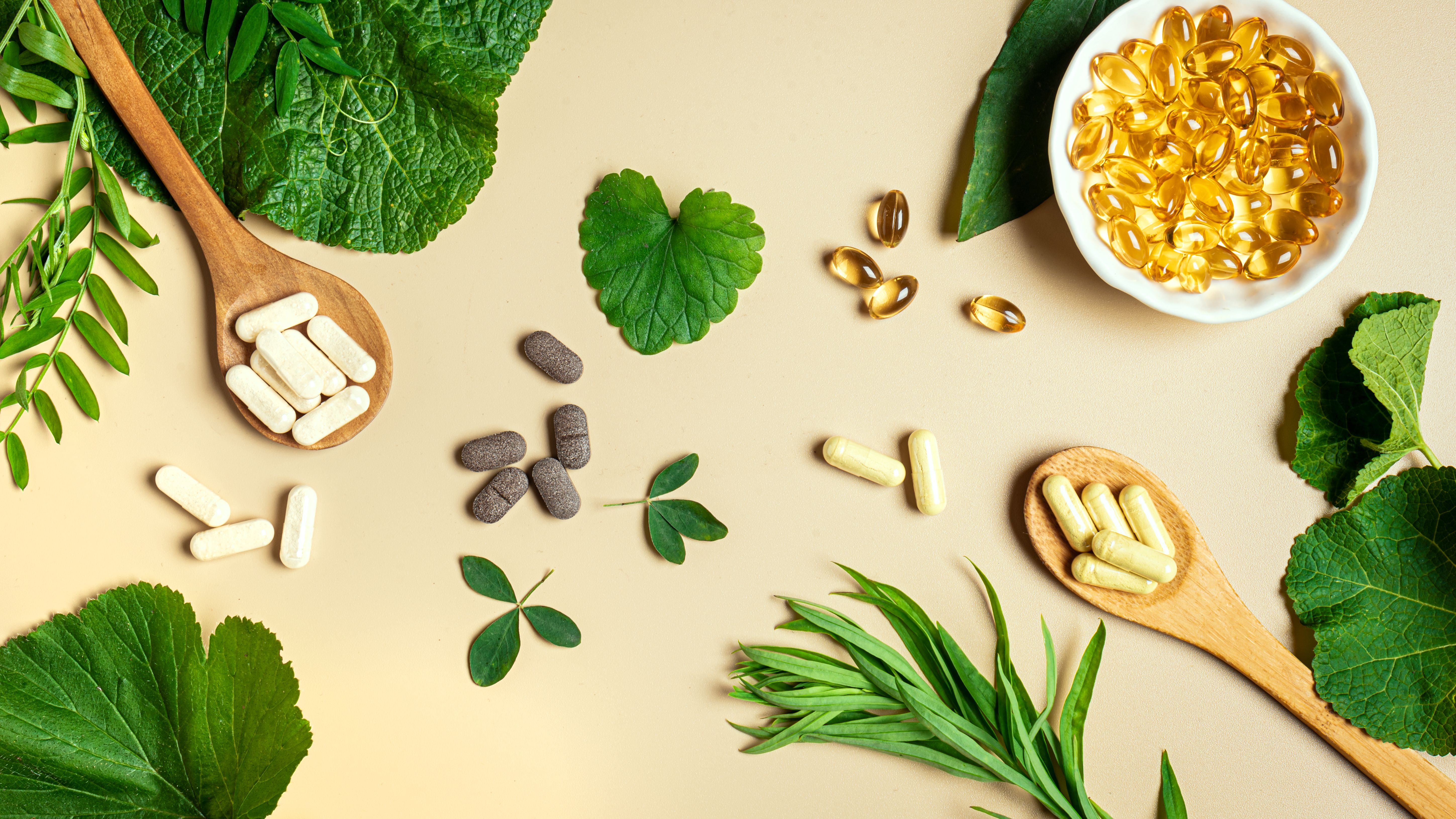
Herbal remedies are another popular choice for at-home pain relief. Ingredients like turmeric, ginger, and peppermint have anti-inflammatory properties that can help alleviate pain.
Incorporate these herbs into your diet through teas or supplements. However, it's important to discuss with a healthcare provider before starting any new herbal regimen, especially if you are on medication.
Popular Herbal Options
- Turmeric for its anti-inflammatory effects.
- Ginger to reduce muscle pain.
- Peppermint oil for topical application.
By experimenting with these expert-approved DIY techniques, you can find a combination that works best for you. Remember, while these methods can provide relief, they are not a substitute for professional medical advice when needed. Prioritize your health and well-being by staying informed and proactive about managing pain.