Latest Trends in Pain Management: Innovations You Should Know


Introduction to New Pain Management Trends
Pain management is an ever-evolving field, with new technologies and therapies continuously emerging to improve patient care. Keeping abreast of the latest trends can significantly enhance treatment outcomes and offer patients more effective relief. In this post, we'll explore some of the most exciting innovations in pain management today.
Telemedicine and Virtual Consultations
Telemedicine has revolutionized healthcare delivery, and pain management is no exception. Virtual consultations allow patients to receive expert advice without the need for travel, which is particularly beneficial for those with chronic pain conditions. This remote access can lead to faster interventions and more personalized treatment plans.
Furthermore, telemedicine platforms often include features such as electronic prescriptions and remote monitoring, allowing for a seamless and integrated approach to pain management.
Non-Invasive Pain Relief Devices
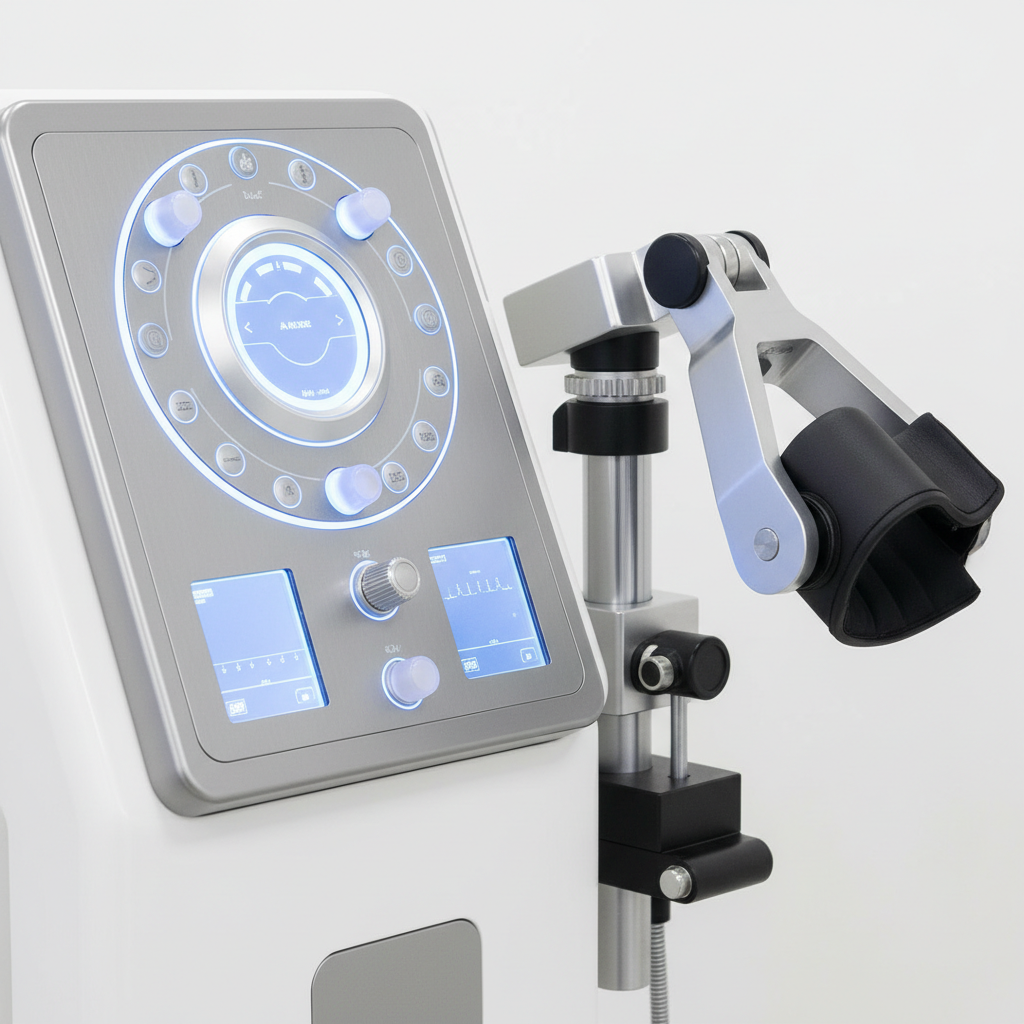
Non-invasive devices are increasingly being used to manage pain effectively. These include Transcutaneous Electrical Nerve Stimulation (TENS) units, which use electrical impulses to relieve pain. Similarly, wearable tech such as smart patches and portable ultrasound devices offer targeted relief without the need for medication.

These devices are particularly appealing due to their ease of use and minimal side effects. Patients can manage their pain independently, reducing the need for frequent medical visits.
Regenerative Medicine
Regenerative medicine is paving the way for groundbreaking treatments in pain management. Techniques like Platelet-Rich Plasma (PRP) therapy and stem cell therapy are being used to repair damaged tissues and reduce inflammation. These therapies aim to address the root cause of pain, offering long-term relief.
While still under extensive research, regenerative treatments hold great promise for chronic conditions such as osteoarthritis and tendon injuries.
Personalized Medicine and Genetic Testing
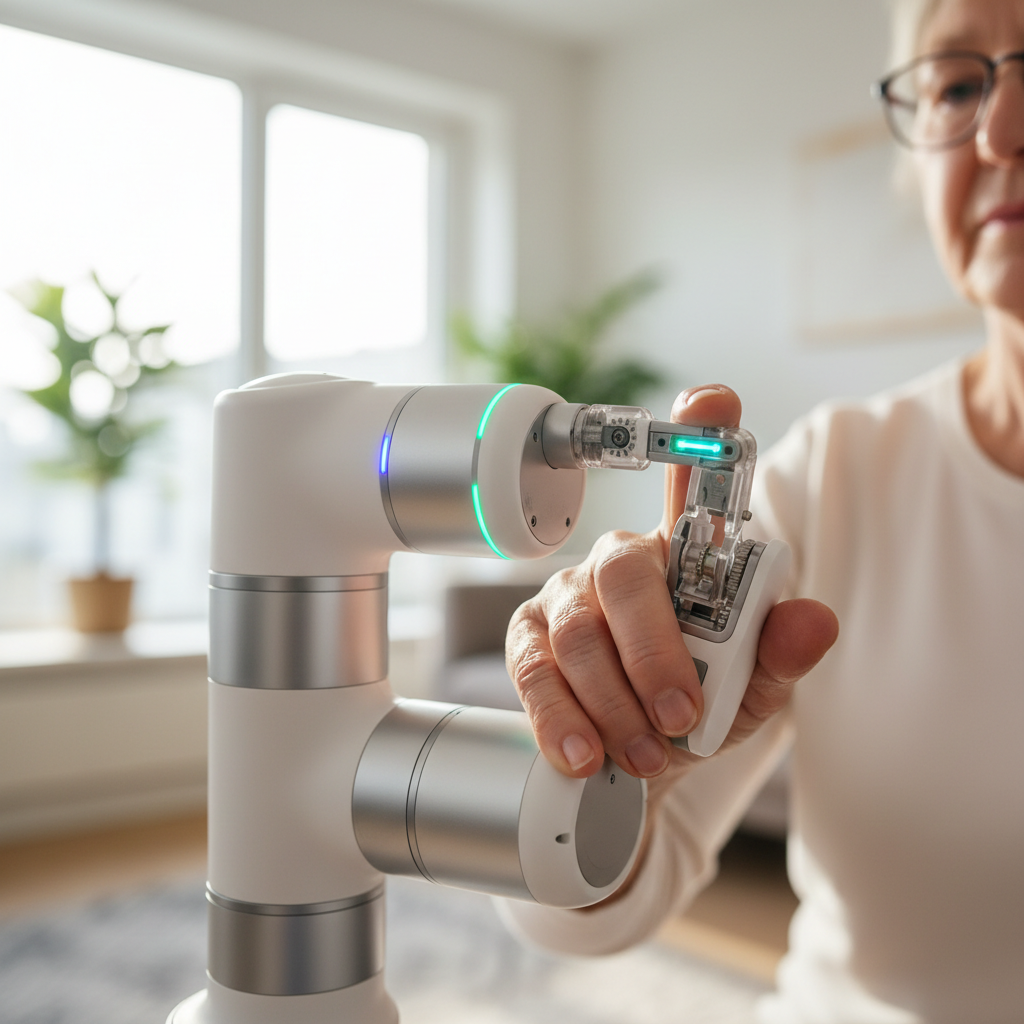
Personalized medicine is becoming a cornerstone of effective pain management strategies. By utilizing genetic testing, healthcare providers can tailor treatments to an individual's genetic makeup, ensuring more precise and effective interventions.
This approach minimizes trial and error in finding the right medication or therapy, leading to faster relief and fewer side effects for patients.
Mind-Body Therapies
Mind-body therapies are gaining recognition for their role in pain management. Techniques such as mindfulness meditation, yoga, and cognitive-behavioral therapy (CBT) have been shown to reduce pain perception and improve overall well-being.
These therapies focus on the connection between mental and physical health, providing patients with tools to manage pain through relaxation and stress reduction.

Conclusion
The landscape of pain management is rapidly changing, with innovations offering new hope to those suffering from chronic pain. From telemedicine to regenerative therapies, these advancements provide exciting opportunities for more effective and personalized care. As the field continues to evolve, staying informed about these trends will be crucial for healthcare professionals and patients alike.