Preparing for Seasonal Changes: Pain Management Tips for Chicago Residents


Understanding Seasonal Pain Triggers
As the seasons change in Chicago, many residents experience an increase in joint and muscle pain. The drop in temperature and fluctuating weather conditions can exacerbate chronic pain conditions. Being aware of these triggers can help in managing and potentially reducing discomfort.
Cold weather can lead to muscular stiffness and joint pain, making it crucial to adapt your routine. Additionally, the barometric pressure changes that accompany seasonal shifts can intensify pain levels for those with arthritis and similar conditions.

Adapting Your Exercise Routine
Maintaining an active lifestyle is essential, even when the weather turns chilly. Regular exercise helps in keeping joints flexible and muscles strong. However, as the temperatures drop, it’s important to adjust your routine to prevent injury and manage pain effectively.
Consider indoor activities such as yoga or swimming, which are gentle on the joints. If you prefer outdoor exercises, make sure to warm up thoroughly and dress in layers to keep your muscles warm and flexible.
Staying Consistent
Consistency is key. Establish a regular exercise schedule to help your body adjust to the seasonal changes. This not only helps in pain management but also supports overall well-being.

Nutritional Considerations
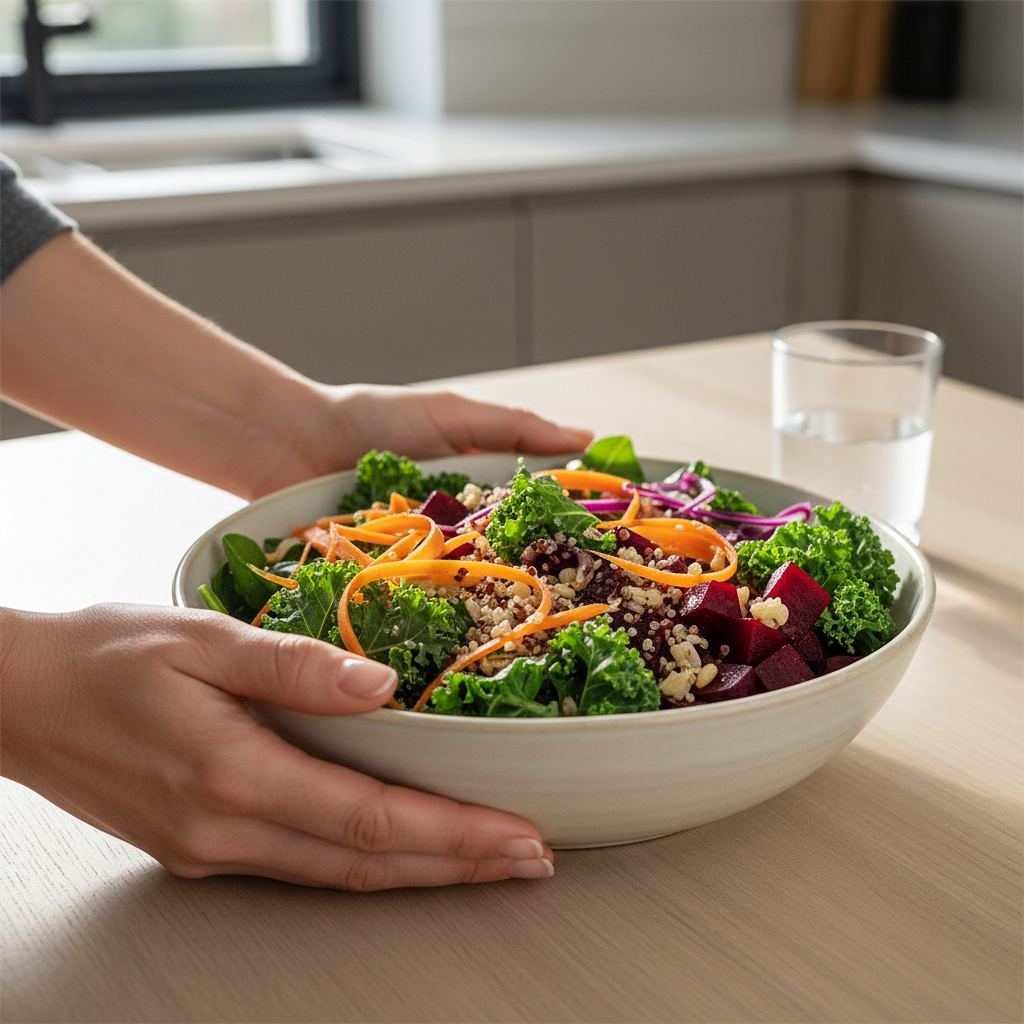
Your diet plays a significant role in managing pain, especially during seasonal transitions. Incorporating anti-inflammatory foods such as leafy greens, fatty fish, and nuts can help reduce pain levels.
Staying hydrated is also crucial. Dehydration can worsen muscle cramps and joint pain, so ensure you drink plenty of water even during the colder months.
Supplements and Vitamins
Consider adding supplements like Vitamin D, especially during the winter when sunlight is scarce. This can help in maintaining bone health and reducing pain.
Practical Pain Management Techniques
Alongside lifestyle changes, incorporating practical pain management techniques can be highly beneficial. Hot baths, heating pads, and topical treatments can provide immediate relief for stiff joints and sore muscles.
Massage therapy and acupuncture are also effective methods to consider. These techniques can help alleviate tension and improve circulation, reducing overall pain.
Mind-Body Practices
Mindfulness practices such as meditation and deep breathing can aid in managing pain. These techniques help in reducing stress, which is often linked to increased pain perception.

Consulting with Healthcare Professionals
If managing pain becomes challenging, consulting with healthcare professionals is crucial. They can provide personalized advice and treatment options tailored to your specific needs.
Regular check-ups can help in monitoring your condition and making necessary adjustments to your pain management plan. This proactive approach ensures you remain comfortable and active throughout the seasonal changes.